Measuring the Ripple
of Prevention.
Waridi does not merely prevent injury: it prevents the cascade of injury, clinical overload, workforce loss, and the loss of maternal decency that follows every unprotected vaginal delivery.

More Than a Tear:
The Cost of Decency.
Severe perineal trauma (OASI) often results in fecal and urinary incontinence. In Sub-Saharan Africa, where delayed diagnosis and treatment are systemic, this is not just a clinical issue: it is a fundamental loss of human decency.1
"Women with fecal incontinence after birth report profound social isolation, shame, and a breakdown of the marital unit."1
Delayed diagnosis in low-resource settings means 60% of third-degree tears are unrecognized at birth, leading to chronic fistulas and lifelong morbidity.2
When Birth
Breaks the Future.
A woman living with incontinence in a rural setting loses more than health: she loses her place in the community. She loses the ability to travel to market, to attend church, or to care for her children without fear. This is the gap Waridi fills.
Donate to Restore DecencyA Poverty Trap with a Birth Certificate.
$0 Million
3Annual Direct Repair Burden
In Rwanda alone (20.9bn RWF)
This represents a recurring annual obligation larger than the entire budget of several district hospitals.
0
4Perineal Repairs Annually
Most common surgical procedure in Rwanda
Every repair consumes ~1 hour of skilled clinical time in already overstretched wards.
0 staff-years
5Lost Clinical Capacity
Every single year
435,400 clinical hours are absorbed into strained rosters, degrading quality of care elsewhere.
Two Women Removed.
"Every unpreventable perineal tear that requires suturing removes approximately two women from the productive workforce for eight weeks: the woman who gave birth, and the woman who comes to care for her."6
$0 Million
Annual East Africa Productivity Loss
Across Rwanda, Kenya, and Uganda alone, preventable trauma removes $100M:$169M in annual output through recovery and caregiver displacement.7
0 Women
Kept in Productive Workforce
A 25% reduction in trauma rates would return over 337,500 women (mothers and caregivers) to full productivity every year in East Africa.8


Highly Cost-Effective.
Net Cost-Saving.
Highly Cost-Effective
$267
Cost per DALY Averted
Waridi satisfies the WHO definition of "highly cost-effective" under all scenarios: performing at less than one-third of Rwanda's $820 GDP per capita threshold.9
Dominant Strategy
$1.80-$2.50
Economic Multiplier
Every $1 of direct health saving generates $1.80-$2.50 in economic value through productivity and child outcomes. Waridi is a net cost-saving strategy.10
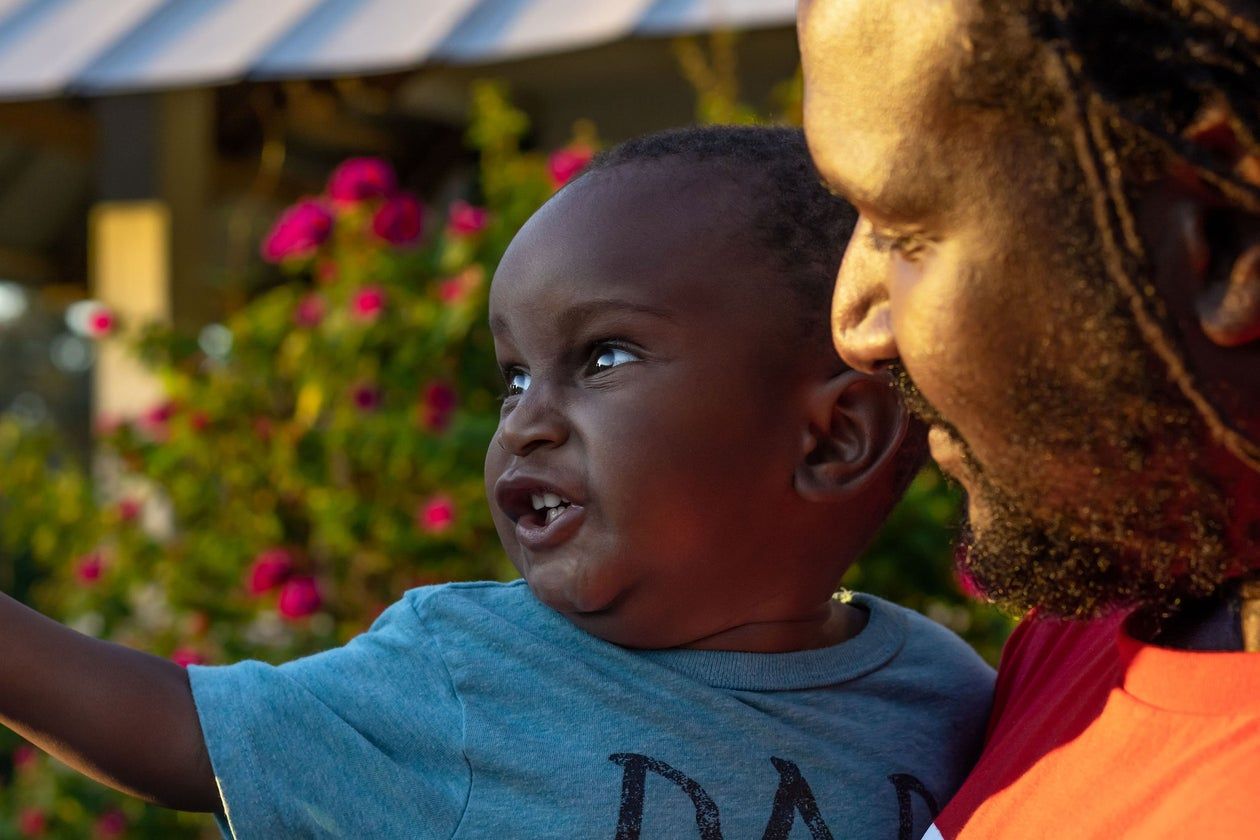
Protecting the Next Generation.
Maternal health status in the postpartum period is one of the strongest predictors of child developmental outcomes. When a mother heals quickly and without trauma, the ripple effect reaches the child immediately.11
"A mother's well-being is the foundation of a child's future. By preventing trauma, we are securing the potential of the next generation."
Nutrition & Stunting12
Maternal depression is a significant predictor of child stunting (OR 1.5:2.0x). Preventing trauma reduces this risk for thousands of children annually.
+12,400
Children with uninterrupted breastfeeding
Maternal Well-being13
30:50% of women with severe trauma report psychological distress. Waridi helps avert over 10,000 cases of postnatal depression annually in Rwanda.
-21,750
Cases of postnatal depression averted
Cognitive Development14
Postnatal depression is associated with a 40% reduction in child language acquisition by age 2. Prevention preserves developmental potential.
8,700
Children avoiding cognitive delay
Impact that Compounds.
Every prevented tear is a victory for a woman, her child, and the economy. Join us in delivering this impact at scale.
