
Woman is not a niche.
She is a person moving through school, work, intimacy, pregnancy, birth, recovery, motherhood—or none of these at all.
We use the word women deliberately: to name the people whose health has been chronically underbuilt and whose pain has too often been normalised. We also recognise that not every woman menstruates or gives birth, and not everyone who menstruates or gives birth identifies as a woman. Our language stays precise enough for science and spacious enough for people.
And why SawaSurf?
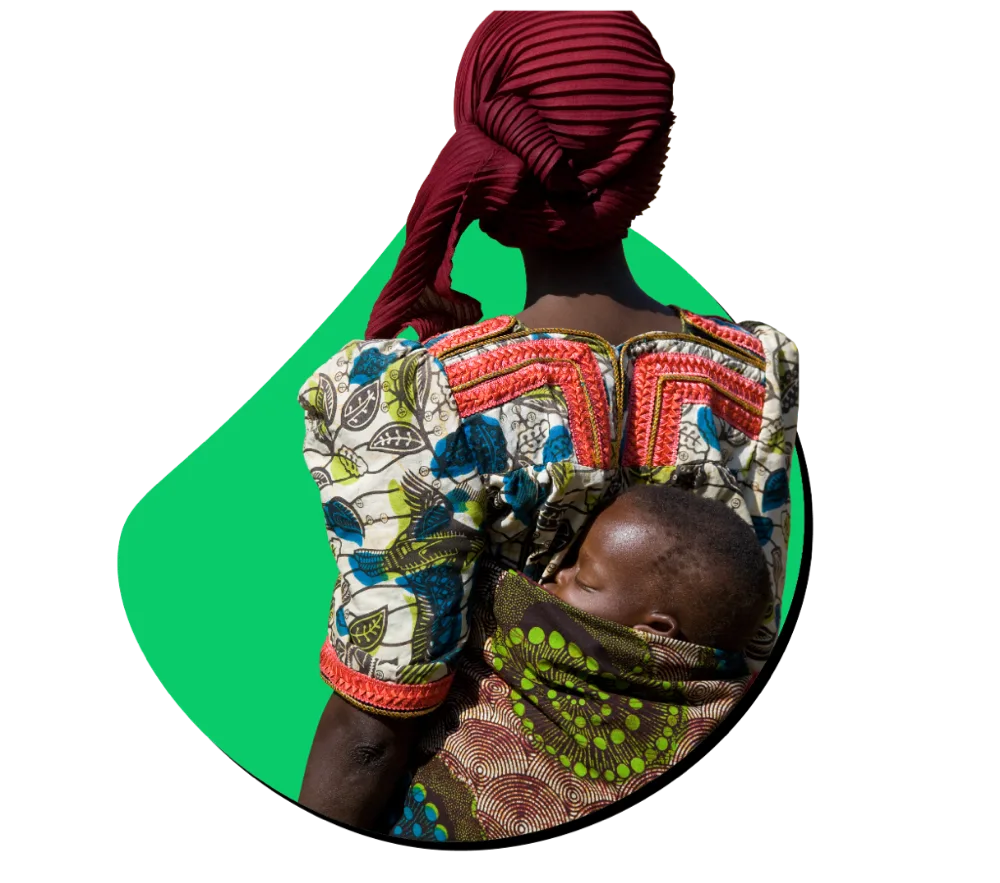
Sometimes, listening to a woman leads us to the baby in her arms. A newborn’s respiratory crisis is also a mother’s first hours of motherhood—her fear, her recovery, her bond and her child. We could not turn our backs on that.
Meet SawaSurfAffordable for Kirehe. Acceptable anywhere else.
Our work begins in East Africa without being confined by it. We design for real constraints and global scrutiny at the same time, because women should not have to choose between what they can reach and what they can trust.