
 By Sawazisha Clinical Team
 Oct 04, 2026
The final minutes of birth ask extraordinary things of a woman's body. Across health systems in East Africa and globally, severe perineal trauma remains an accepted, underbuilt reality. Waridi™ was engineered to challenge this status quo through controlled warmth, dynamic mechanical support, and clinical usability tailored to frontline midwife workflows.
The Mechanical Rationale :
Perineal tissue under the mechanical stress of crowning experiences high tangential tensile load. By applying controlled thermal conditioning in conjunction with anatomical viscoelastic support, tissue viscoelasticity is preserved, dramatically attenuating shear-induced tearing without obstructing the midwife’s manual delivery techniques.
Co-Design with Frontline Midwives :
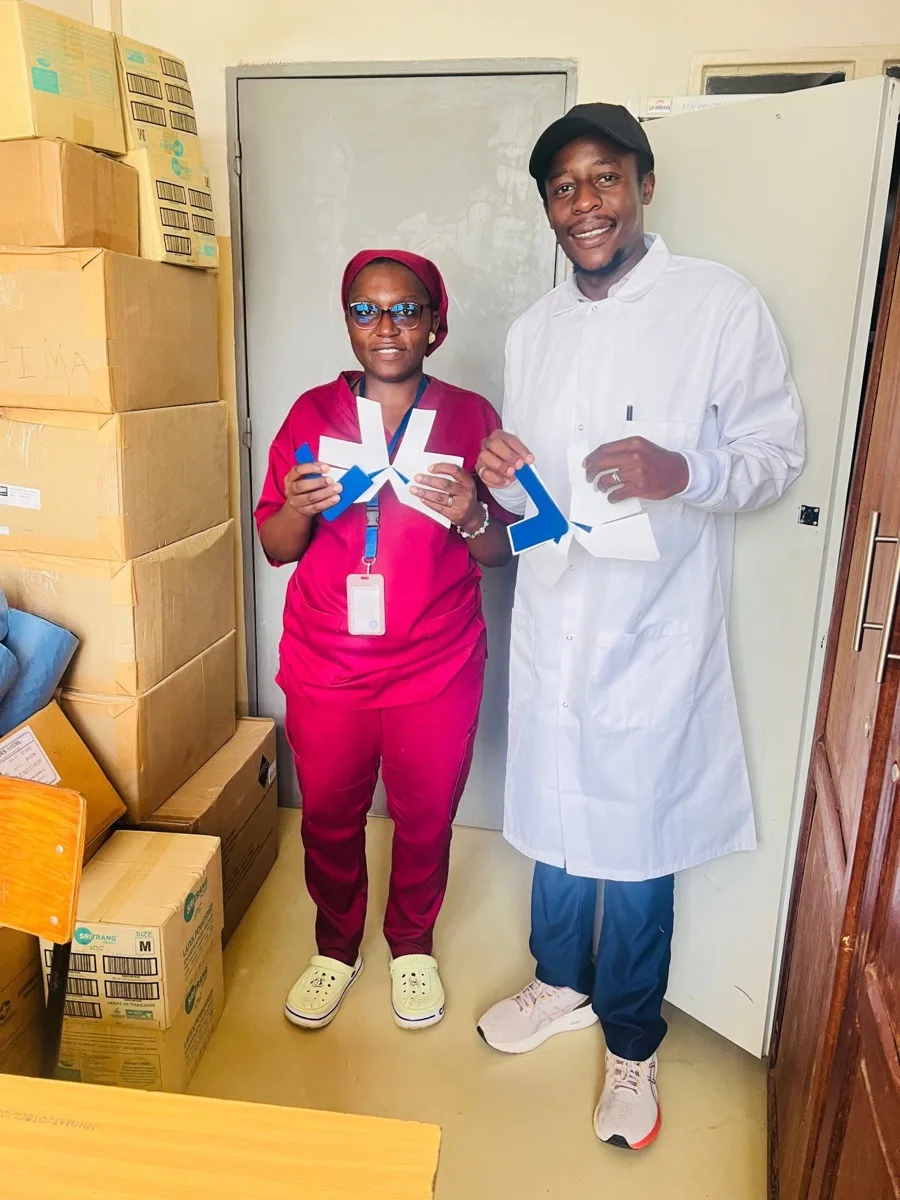
A medical device is only as effective as its adherence in busy delivery wards. Our engineering team embedded directly with midwives and obstetric teams to refine application ergonomics, ensuring seamless one-handed operation and non-interference during emergent obstetric procedures.
Biomechanical Integrity & Finite Element Modeling :
Computational simulations of tissue stretch during the second stage of labor indicate that peak strain concentrates at the posterior fourchette and perineal body. Waridi™ utilizes an engineered dual-action architecture: localized, precise thermal conditioning (38.5°C to 40.0°C) elevates collagen compliance while anatomical support wings redistribute tensile forces evenly across the pelvic floor, dampening tearing risk at the crucial moment of head extension.
Investigational Ethics & Clinical Trial Metrics :
In partnership with teaching hospitals and ethical oversight committees, the clinical validation framework tracks key primary and secondary endpoints: reduction in Obstetric Anal Sphincter Injuries (OASIS), decrease in avoidable episiotomies, postpartum pain scores, maternal satisfaction, and midwife task-load index.
Restoring Maternal Dignity & Long-Term Pelvic Health :
Severe perineal trauma has lifelong reverberations—from pelvic organ prolapse and urinary or fecal incontinence to chronic pain, dyspareunia, and postpartum depression. Preventing trauma at the threshold of birth is a fundamental matter of healthcare justice and maternal dignity.
Clinical Perspectives & Peer Discussion (3):
Dr. Grace Mukamana, MD, MMed (Obs/Gyn)
Oct 06, 2026Midwives in high-volume maternity wards need solutions that reinforce, rather than replace, manual perineal support techniques. The combination of gentle thermal conditioning with structural support is a very promising biomechanical approach to reducing OASIS rates.
Amina K. Cheruiyot, RN, BSc Midwifery
Oct 08, 2026One-handed application and clear visibility of the crowning fetal head during second-stage labor are non-negotiable for labor ward adoption. It is refreshing to see an engineering team that designed around midwife ergonomics from day one.
Dr. Elena Vance, PhD Biodesign
Oct 11, 2026Long-term postpartum pelvic floor dysfunction is grossly under-tracked in maternal morbidity statistics globally. Interventions at the moment of crowning address the primary mechanical injury root cause before lifelong damage occurs.