 Timothy Kintu & Peredy Khwesa
 May 2026
The Worker Who is Sitting Out :
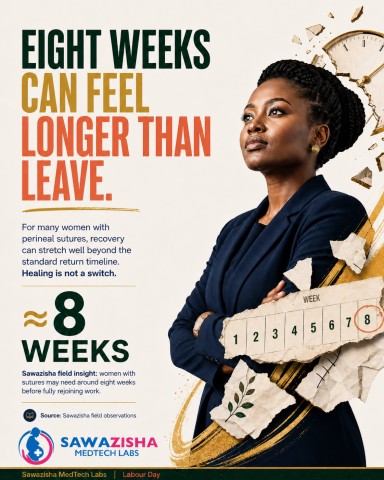
Today is Labour Day. The world is celebrating the worker. But somewhere, a woman is sitting out. Not because she chose to. Not because she is lazy or unambitious or disengaged. But because eight weeks ago, she gave birth, sustained a perineal injury, and was handed a discharge note that said nothing about what came next.
The Economic Weight of Unaddressed Birth Injury :
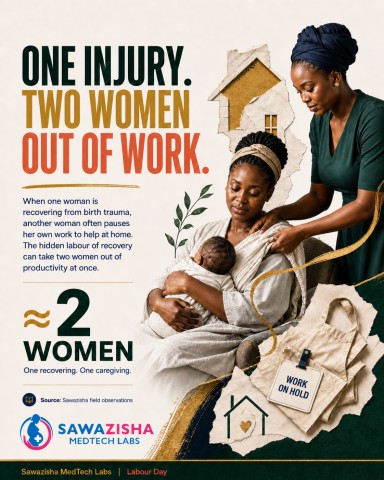
About the pain that follows her to her desk. About the commute she dreads. About the colleague who notices she never laughs fully anymore. Birth trauma is not just a health issue. It is a labour issue. It costs women their paychecks, their productivity, their independence, and in many African households where she is the breadwinner, it costs the whole family.
Pausing for Those Who Cannot :
On this Labour Day, we are not celebrating with noise. We are pausing for the woman who cannot, and reaffirming our commitment to engineering tools that prevent trauma at the moment of birth.
Clinical Perspectives & Peer Discussion (1):
Nurse Regina Mwangi
May 2026Postpartum return-to-work pain is so common yet completely invisible in workplace safety and maternity leave policies.